


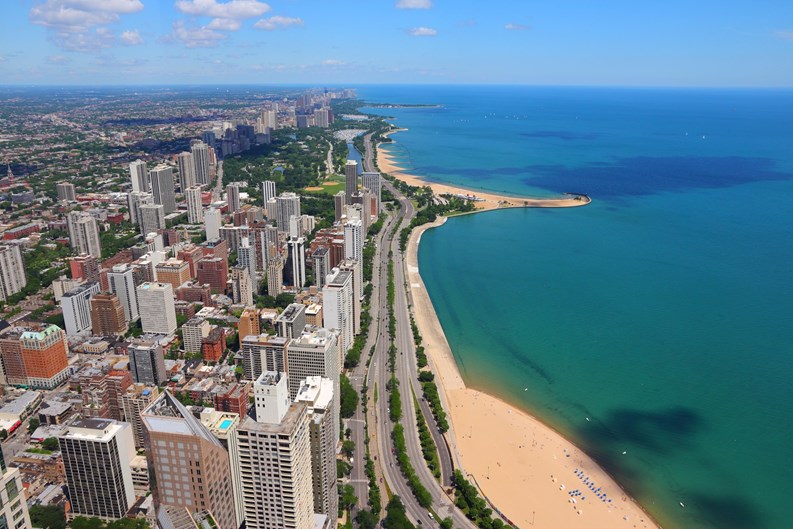
The Chicagoland condo market has spent the last decade proving its resilience through a slow and steady trajectory. Unlike more volatile markets in Sun Belt cities, Chicago has transitioned from an era of downtown dominance to a more balanced, regional landscape defined by a post-pandemic shift in how residents prioritize space and location.
A Tale of Two Cores
In 2016, the Gold Coast and the Loop were the undisputed heavyweights of the Chicago market. Fast forward to 2026, and the center of gravity has moved west, with the West Loop and Fulton Market becoming prime drivers of growth, where a two-bedroom unit in a new luxury building can easily exceed $750,000. Meanwhile, thanks to scarce inventory, North Side neighborhoods like Lakeview and Lincoln Park remain high-value strongholds, and gentrification booms in Logan Square and Avondale have seen vintage conversions reach price parity with the city’s historic core.
Suburban Revitalization
The most striking trend of the decade is the rise of the ‘urban-suburb’—satellite communities that combine the administrative autonomy and school systems of a suburb with the density and lifestyle of a city. Transit-Oriented Developments (TODs) in Evanston and Oak Park have seen prices climb nearly 40% since 2016. High-end demand is also surging in Naperville, where retirees seeking luxury ‘downsizer’ condos are paying up to $600,000, and in Arlington Heights, which has seen a speculative boost from the ongoing developments surrounding the Bears’ stadium project.
The Pricing Landscape
Navigating the current market requires a clear view of the city-suburban split. Within Chicago city limits, entry-level one-bedroom units typically range from $285,000 to $410,000, while the highly sought-after two-bedroom units average between $450,000 and $650,000. For those seeking three or more bedrooms, prices often start at $700,000 and frequently climb past the $1.2 million mark in premium districts. In the Suburban metro, one-bedroom units offer a value entry point at $220,000 to $315,000, with two-bedroom units commanding $380,000 to $525,000. Large family-sized units in the suburbs typically fall between $550,000 and $850,000, offering a somewhat more accessible alternative to city luxury.
Third Rooms & High Rates
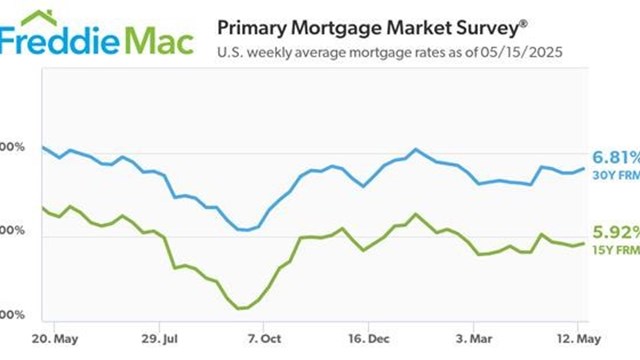
In post-pandemic 2026, the ‘third room’ has become a non-negotiable requirement for many still working from home. Buyers are increasingly wary of hidden costs; inflation-driven spikes in insurance and maintenance have made HOA reserve studies a critical part of the due diligence process. Interest rates hovering in the low 6% range have compelled many potential sellers to sit tight with the much lower rates they got when they purchased, creating a ‘lock-in effect’ that has kept inventory roughly 15% below 2016 levels, and prices commensurably high.
Looking ahead to the remainder of 2026 and into 2027, market watchers note that the Chicagoland condo market is likely to enter a rebalancing phase where the breakneck price spikes of the early 2020s give way to a sustainable annual growth rate of roughly 4.5%. Industry analysts project that as mortgage rates stabilize in the low-to-mid 6% range, active listings may increase as homeowners finally feel comfortable trading their current units. Overall, the market appears to be moving toward a more managed tempo where buyers have the leverage to conduct thorough due diligence, marking the end of the frantic bidding wars that defined the previous decade.




Leave a Comment